Stroke Hierarchy • October 12, 2026 • 6 Min Read

Layering Outlines Effectively

Managing overlapping shapes with stroke priority, contour stack orders, and boundary delineation in vector artwork.

Vector Stroke Systems Contour Stacking Layer Priority 3:1
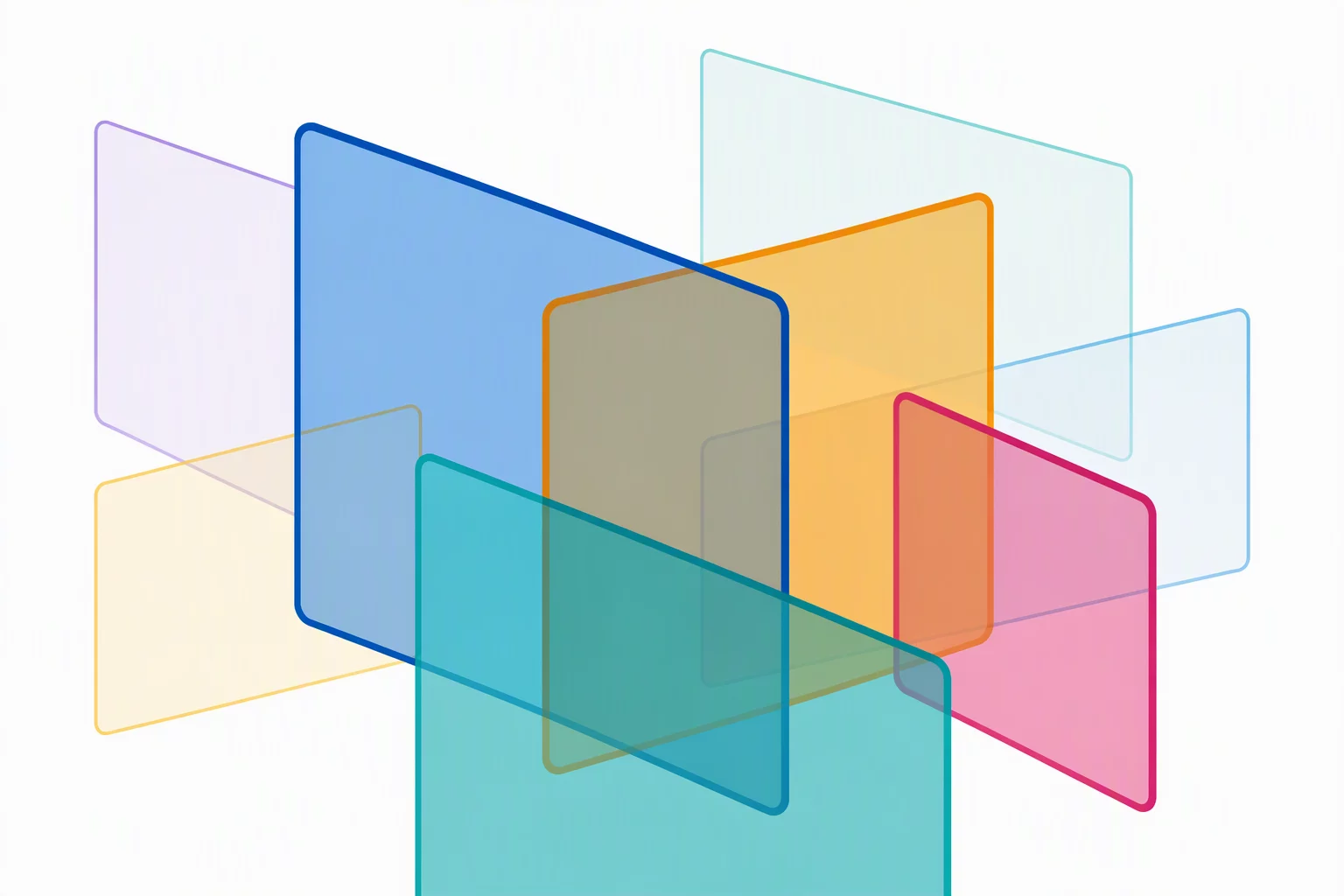
Diagram demonstrating stroke hierarchy and layering overlapping outlines in vector compositions

Resolving Overlap Conflicts With Path Priority

Complex vector artwork frequently collapses into visual noise when overlapping shapes rely on identical outline widths. When two contours of equivalent weight intersect, the human eye struggles to determine which element advances into the foreground. Lines fuse at tangent points, producing accidental focal knots that distract from the primary subject and flatten spatial depth.

Contour layering requires assigning explicit stroke priority based on depth order. Giving the foremost shape a dominant perimeter line allows it to physically interrupt receding forms. The background outline clips or steps down in thickness at the boundary threshold. This deliberate hierarchy immediately clarifies spatial positioning without relying on drop shadows, transparency masks, or raster effects.

Hierarchy Analysis

Audit Your Vector Stroke Layers

Need technical guidance on establishing clean stroke boundaries and preventing contour collision across complex graphic systems?

Contact Desk

Stacking Strategies for Compounding Contours

Stroke alignment configuration determines whether boundaries remain clean or generate muddy artifacts. Centered strokes bleed equally across inner fills and outer boundaries. When stacked in dense compositions, these half-width expansions bleed outward across adjoining paths, creating unintended overlaps and blurry intersections.

Design Rule: Foreground boundaries must assert line weight dominance over intersecting background edges to prevent optical tangling.

Employing inside or outside stroke alignments and dedicated knockout outlines insulates adjacent boundaries. Subordinate paths must truncate neatly behind the dominant contour instead of running blindly beneath it. This structure preserves line clarity during drastic scaling and ensures crisp reproduction in precision vector output environments.

Summary Notes

Core Principles of Outline Layering

  • Foreground Precedence: Assign heavier stroke weights or top-level layer positioning to foremost shapes so they cleanly occlude receding elements.
  • Stroke Alignment Logic: Be deliberate with centered versus inside or outside stroke alignment to avoid unintentional overlapping seam artifacts.
  • Optical Separation: When two overlapping shapes share similar fill tones, a deliberate stroke hierarchy creates crisp physical separation without raster effects.

Frequently Asked Questions