Featured Cases • September 12, 2026 • 6 min read

The Outline Was Stronger Than the Shape

When stroke thickness overrides silhouette integrity, vector artwork loses its internal geometry and focal balance. Here is what happened when an exterior contour took over the composition.

CorelDRAW Outline Boundary Weight 12pt Outer vs 1.5pt Core
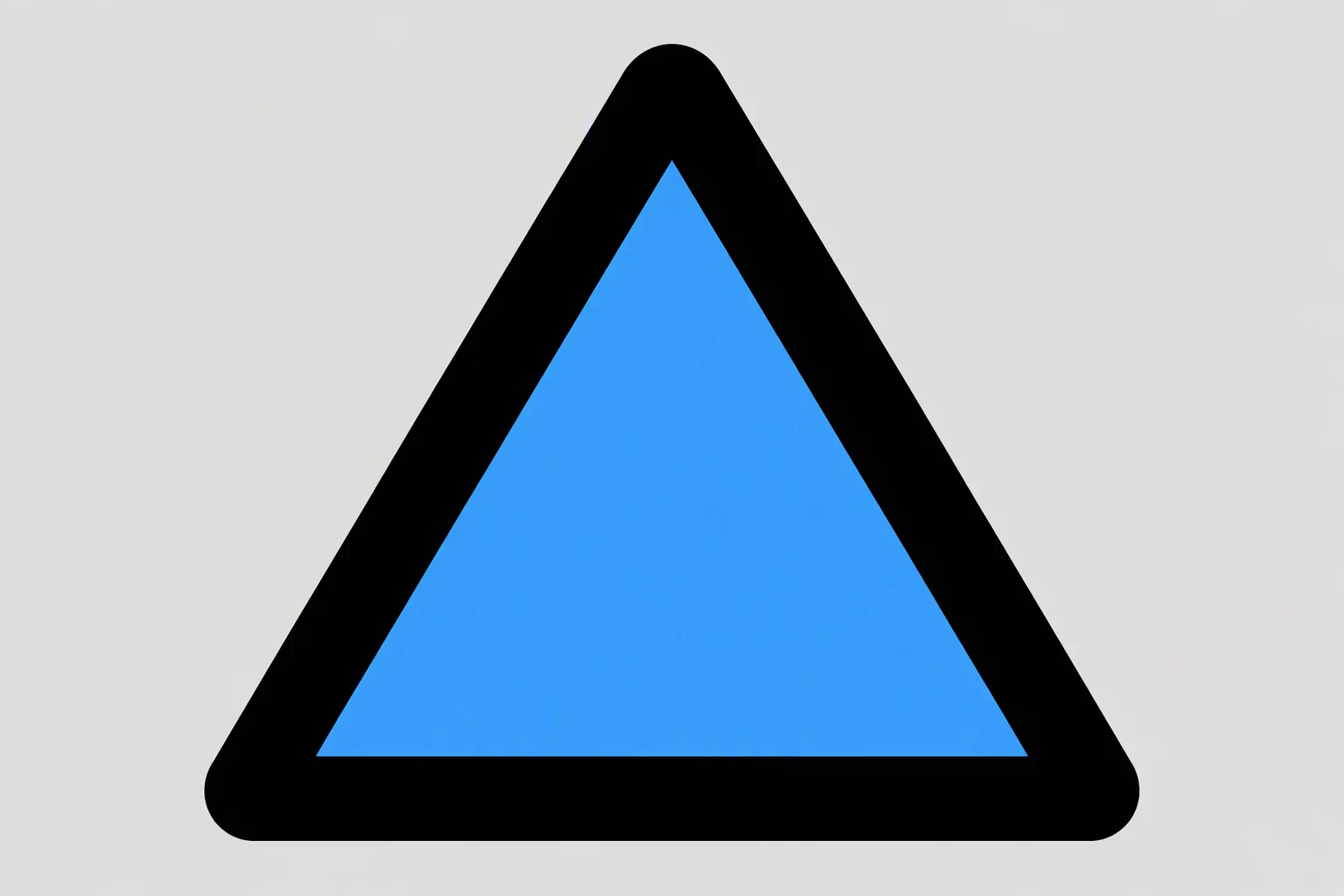
Vector illustration showing a thick outline dominating a geometric shape

Optical Takeover in Vector Boundaries

In vector illustration, boundary definitions establish how our visual cognition processes weight and negative space. While constructing geometric assets, designers routinely bump up outer contours to guarantee separation against noisy backgrounds. When applied carelessly in software like CorelDRAW, an outline that lacks proportional calibration quickly shifts from an edge definer into the predominant visual subject itself.

This case centered on a series of structural emblems where outer paths were set to heavy strokes with centered alignment. Because the path trajectory expanded inward into the color fields while simultaneously pushing outward into the margins, sharp terminal points dissolved into rounded bulges. The stroke hierarchy collapsed entirely: the eye registered a dense wireframe cage rather than the calculated curves of the underlying silhouette.

CorelDRAW Analysis

Auditing Vector Stroke Hierarchy

Examine how line weight scales relative to fill mass across multi-layered vector compositions before committing assets to print or digital production.

Inquire With Editorial Desk

When Outer Contours Swallow Shape Volume

Geometric shapes derive their character from subtle curvature transitions, negative apertures, and the proportion of solid fill mass. When an aggressive stroke enters that equation, it exerts severe optical suction. The stroke width encroaches directly upon delicate interior angles, essentially drowning out the color plane that was originally designed to carry the primary visual message.

When stroke area exceeds forty percent of the total enclosed shape area, the viewer evaluates line direction rather than planar geometry. The stroke ceases to be a container and becomes the object.

Re-establishing balance required a disciplined redistribution of boundary parameters. By converting the outer stroke to an outside alignment, tapering internal intersections, and establishing a three-tiered stroke hierarchy, the original form regained its sculptural authority without sacrificing contrast on diverse canvas tones.

Summary Observations

Core Principles of Boundary Weight

  • Geometric Encroachment: Centered strokes expand inward, shaving off delicate apexes and turning acute angles into blunt forms.
  • Perceptual Contrast Distortion: Heavy dark outlines create higher optical contrast than the internal palette, pulling the viewer away from focal highlights.
  • Hierarchical Decoupling: Assigning boundary weight independently of structural volume guarantees that the stroke becomes the primary subject instead of the vessel.

Frequently Asked Questions